
How Often Commercial Air Ducts Should Be Cleaned
People seeking how often commercial air ducts should be cleaned can rely on local service providers to assess their needs and perform professional cleaning to maintain air quality.
If you're wondering how often commercial air ducts should be cleaned, you're in the right place. Property owners in the area often consider this maintenance task to ensure a clean and healthy indoor environment, especially in spaces with high occupancy or extensive HVAC use. Regular duct cleaning can help improve air quality, reduce energy costs, and maintain the efficiency of heating and cooling systems. As you explore this topic, you'll find that local contractors who specialize in air duct cleaning can provide tailored advice and services that meet the specific needs of your property.
Understanding the recommended frequency for cleaning commercial air ducts can vary based on factors like building size, industry type, and environmental conditions. Many property owners choose to have their ducts inspected and cleaned periodically to prevent dust buildup, mold growth, or pest infiltration. Connecting with experienced service providers in the area can help determine the best schedule for your property, ensuring your HVAC system functions optimally and your indoor air remains fresh. Keep reading to learn more about how often commercial air ducts should be cleaned and how local experts can assist in maintaining a healthy, efficient space.
- Commercial office buildings - local contractors recommend cleaning air ducts regularly to maintain indoor air quality, especially in high-traffic spaces.
- Retail stores and restaurants - service providers suggest more frequent duct cleanings if there is significant dust, grease buildup, or ongoing maintenance issues.
- Industrial facilities - local pros advise scheduling duct cleanings based on the level of dust, fumes, or contaminants present in the environment.
- Healthcare facilities - experts recommend routine cleaning to meet hygiene standards and prevent airborne contaminants from spreading.
- Educational institutions - service providers typically suggest cleaning air ducts periodically to ensure a healthy environment for students and staff.
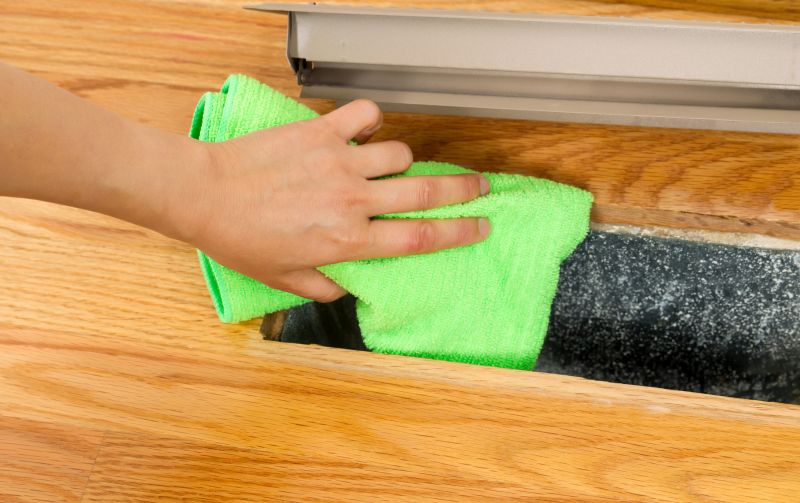
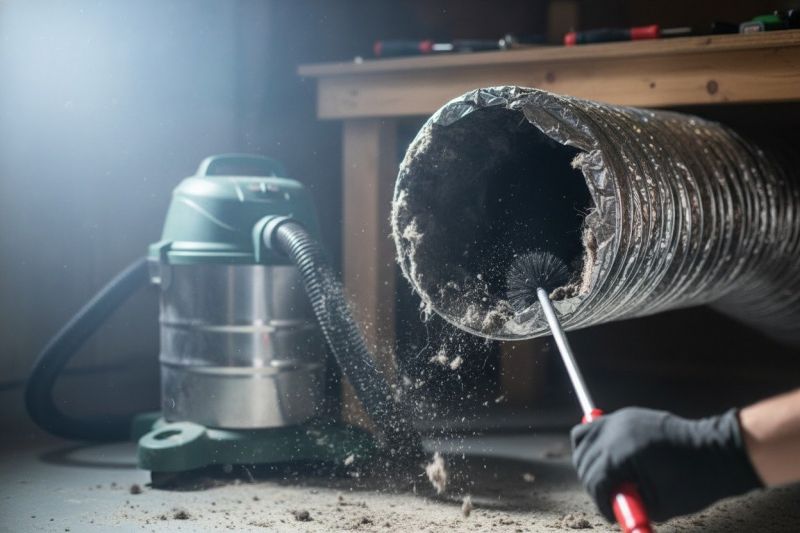

When people search for how often commercial air ducts should be cleaned, they are usually trying to determine a maintenance schedule that helps keep indoor air quality high and systems running efficiently. This topic often relates to concerns about dust, mold, or debris buildup that can compromise air circulation and lead to potential health issues for employees or customers. Business owners and property managers might also be planning regular cleaning as part of their overall facility maintenance or to meet cleanliness standards. Understanding the recommended frequency can help ensure that HVAC systems operate smoothly, reduce energy costs, and prevent costly repairs caused by neglected ductwork.
The questions about cleaning frequency are often linked to specific problems or operational plans. For example, a business experiencing persistent dust or allergy complaints may consider more frequent cleanings to improve indoor air quality. Similarly, a facility undergoing renovations or experiencing high occupancy might schedule duct cleaning more often to remove accumulated debris and contaminants. Property owners who are preparing for inspections or seeking to maintain a safe and healthy environment will also be interested in how often commercial air ducts should be cleaned. These considerations highlight the importance of working with experienced service providers who understand the unique needs of different types of commercial properties.
Various property types typically come up when discussing commercial air duct cleaning. Office buildings, retail stores, restaurants, and medical facilities are common examples, each with distinct usage patterns and air quality concerns. Industrial facilities and warehouses may also require regular duct maintenance due to dust, fumes, or other airborne particles generated during operations. The size of the property and the number of occupants play a significant role in determining the appropriate cleaning schedule. Service providers who specialize in commercial duct cleaning are familiar with these property types and can recommend tailored plans to meet the specific needs of each location.
Understanding how often commercial air ducts should be cleaned helps property owners and managers plan maintenance proactively and avoid unexpected issues. Regular cleaning by local contractors ensures that duct systems remain free of buildup, which can improve air circulation and reduce the risk of mold growth or pest infestations. These professionals bring the expertise needed to assess the condition of ductwork and provide guidance on maintenance intervals based on property type, usage, and environmental factors. Connecting with local service providers offers a practical way to keep commercial spaces safe, comfortable, and compliant with cleanliness standards.
HVAC Duct Inspection and Maintenance - professionals who inspect and maintain HVAC systems often handle air duct cleaning, ensuring airflow efficiency and indoor air quality related to how often commercial air ducts should be cleaned.
Commercial Ventilation System Services - experts in ventilation systems are knowledgeable about ductwork cleaning needs, which can influence recommendations on maintenance frequency for commercial spaces.
Air Quality Testing and Improvement - service providers conducting air quality assessments can identify when duct cleaning is necessary based on contaminants and buildup, informing how often cleaning should occur.
Industrial Cleaning and Equipment Sanitation - specialists in industrial cleaning often work with ductwork and ventilation systems, sharing skills relevant to maintaining clean air pathways in commercial environments.
Furnace and Air Handler Cleaning - contractors focusing on furnace and air handler maintenance often perform duct cleaning to ensure optimal operation, which ties into recommended cleaning intervals for commercial ducts.
Building Maintenance and Facility Management - facility service providers coordinate various building systems, including ductwork, and can advise on appropriate cleaning schedules based on usage and environment factors.
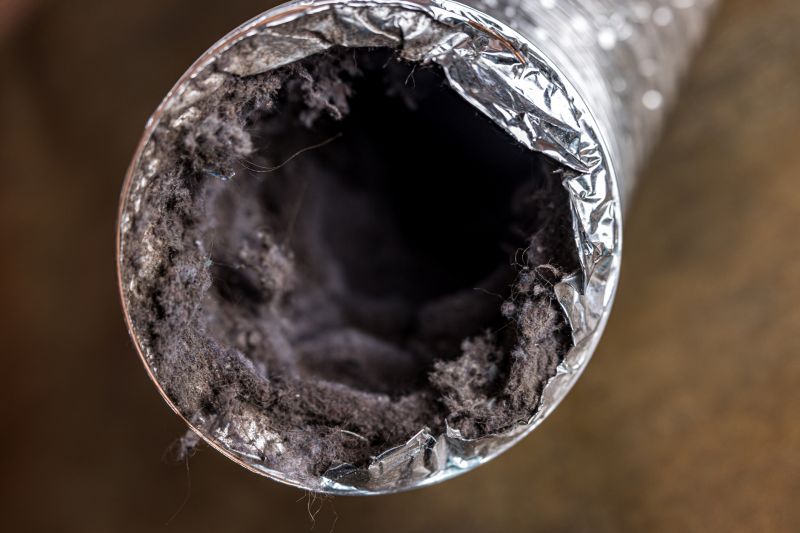
When evaluating commercial air duct cleaning service providers, it’s important to consider their experience with similar projects. Service providers who have handled a variety of commercial spaces are more likely to understand the specific requirements and challenges associated with different types of HVAC systems. This experience can contribute to a more thorough and effective cleaning process, ensuring that the ducts are properly maintained according to industry standards. Homeowners should inquire about the types of commercial properties a contractor has worked on and whether they have encountered situations similar to their own, as this can provide insight into their familiarity with the nuances of commercial duct cleaning.
Clear written expectations are essential when comparing local contractors for air duct cleaning services. A reputable service provider should be able to outline what the cleaning process involves, what areas will be addressed, and any necessary preparations or follow-up steps. This transparency helps homeowners understand what to expect and ensures that there are no misunderstandings about the scope of work. Having detailed, written information also serves as a reference point for future discussions and can facilitate better communication throughout the project, leading to a more satisfactory experience.
Reputable references and good communication are key factors in choosing a reliable service provider. Contractors who can provide references from previous commercial clients demonstrate a track record of successful work. Additionally, effective communication-such as responsiveness to questions and clarity in explanations-can make the process smoother and more predictable. Homeowners should feel comfortable asking potential service providers about their references and gauge how well they communicate during initial interactions. This helps ensure that the chosen contractor will be attentive to questions, transparent about procedures, and responsive throughout the project, contributing to a positive overall experience.
Property owners often search for how often commercial air ducts should be cleaned when they are planning practical projects around their homes and businesses. Local pros provide Air Duct Cleaning services for everyday jobs and straightforward project options.
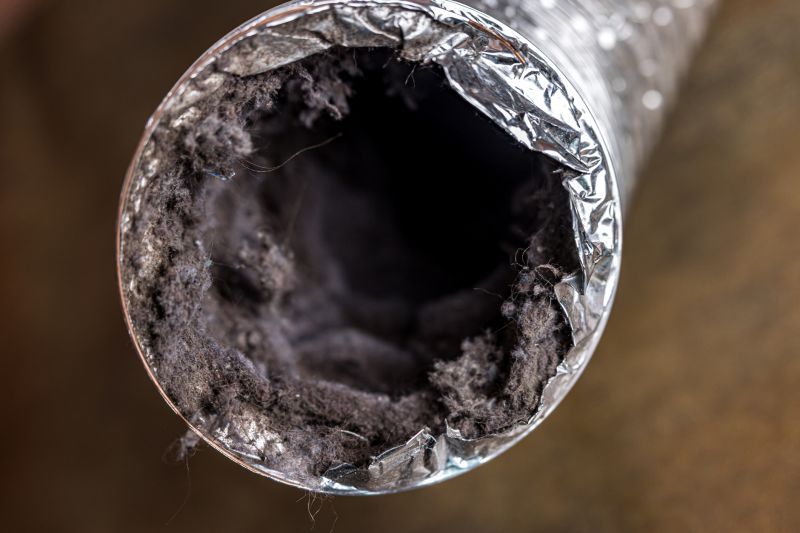
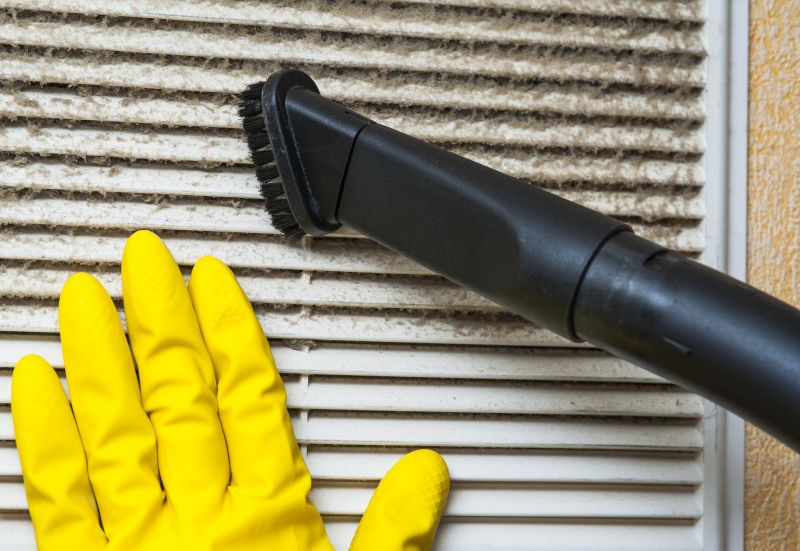
Many property owners in the area wonder about the appropriate frequency for cleaning commercial air ducts to maintain optimal indoor air quality and system efficiency. Typically, businesses with high foot traffic, those operating in dusty or polluted environments, or facilities that have recently undergone renovations may need more frequent cleanings. For those unsure about their specific situation, local contractors can assess the conditions and recommend a cleaning schedule that helps prevent buildup of dust, allergens, and debris, which can impact both health and equipment performance.
In everyday project situations, property owners often look into how often commercial air ducts should be cleaned to ensure a safe and comfortable environment. Regular cleaning might be advised for facilities experiencing increased dust or humidity issues, or if there are signs of mold or musty odors. Consulting with experienced service providers can help determine the ideal cleaning intervals based on the building’s usage and environment, ensuring that air systems remain efficient and indoor air quality stays high.
How often should commercial air ducts be cleaned? Typically, it is recommended to have commercial air ducts cleaned every 3 to 5 years, but this can vary based on factors like building size, usage, and environmental conditions. Consulting with local contractors can help determine the ideal cleaning schedule for specific business needs.
Are there signs that indicate the need for more frequent cleaning? Yes, signs such as visible dust or debris, persistent odors, or increased allergy symptoms among employees may suggest that commercial air ducts need cleaning sooner. Local service providers can assess the system and advise on maintenance frequency.
How do local pros determine the right cleaning frequency for a commercial space? They evaluate factors like the type of business, ventilation system, occupancy levels, and presence of contaminants to recommend an appropriate cleaning schedule tailored to the building’s needs.
Can poor air quality be related to infrequent duct cleaning? Yes, infrequent cleaning can lead to dust buildup and mold growth, which may negatively impact indoor air quality. Local contractors can help improve air quality through regular duct maintenance.
Is it necessary to clean commercial air ducts if the building is rarely used? Even in infrequently used buildings, dust and debris can accumulate over time, so periodic cleaning by local pros can help maintain air quality and system efficiency, depending on specific circumstances.
Regular maintenance schedule - property owners can plan routine cleanings based on how often commercial air ducts should be cleaned, ensuring optimal indoor air quality.
High-traffic or dusty environments - in busy or dusty spaces, property owners might schedule more frequent duct cleanings with local contractors to prevent buildup.
Post-renovation or construction - after building projects, property owners should consider professional duct cleaning from local pros to remove debris and dust particles.
Signs of contamination or odor - noticing musty smells or increased dust can prompt property owners to consult local service providers for a thorough cleaning of their air ducts.
If you are thinking about how often commercial air ducts should be cleaned for a property, this guide is meant to help you understand this topic, the typical project types, and how different options might fit your plans.
When you are ready, you can use the quote form on this page to share a few details about your project. From there, local pros can review the basics and follow up with options that match what you have in mind.