
Get Thermostat Replacement
Thermostat Replacement services help property owners upgrade or fix thermostats to improve heating and cooling control, involving installation, wiring, and system compatibility.
If your current thermostat is outdated, malfunctioning, or no longer providing accurate temperature control, exploring replacement options can be a practical step toward improving comfort and efficiency. Property owners in the area may consider upgrading their thermostats to better suit modern heating and cooling systems, enhance energy management, or simply replace a device that isn’t performing as it should. Understanding available solutions and comparing local contractors can help ensure the job is handled properly and aligns with your property’s specific needs.
Finding the right local service providers for thermostat replacement involves evaluating experienced contractors who can deliver reliable, professional work. By exploring your options and gathering information on local companies, you can make informed decisions about planning your project. Keep reading to discover how connecting with trusted local pros can support your property’s comfort and efficiency goals.
- Thermostat Replacement - when a thermostat is malfunctioning or no longer accurately controls the home's temperature.
- Thermostat Upgrade - when homeowners want to improve energy efficiency with a newer, smarter thermostat model.
- Thermostat Repair - if a thermostat display is blank or unresponsive, requiring professional diagnosis and fixing.
- Smart Thermostat Installation - when residents seek to integrate advanced climate control features into their home system.
- Thermostat Troubleshooting - for issues like inconsistent heating or cooling that may indicate a faulty thermostat needing professional assessment.
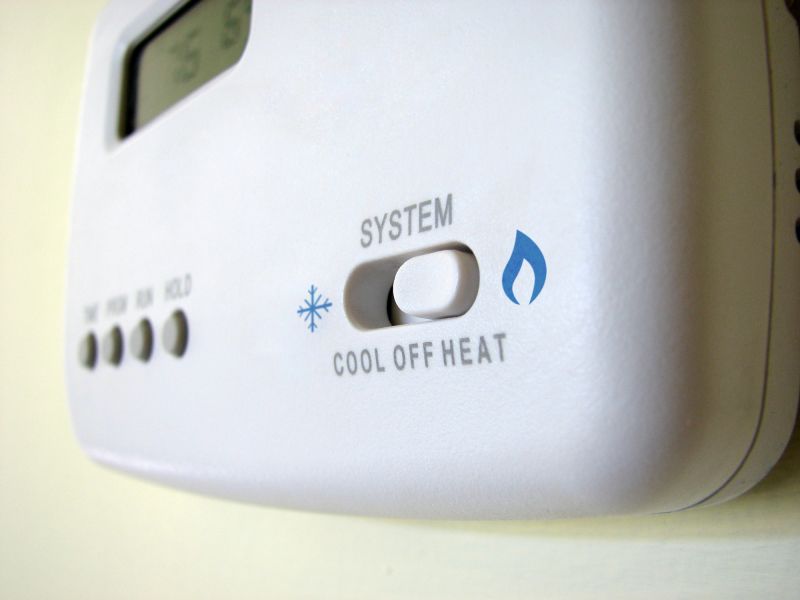
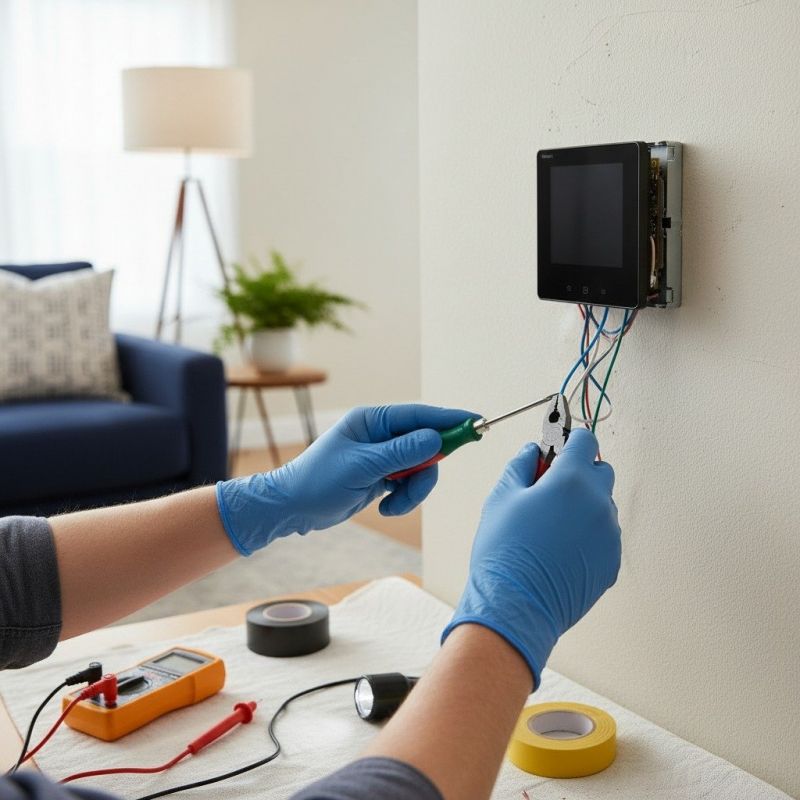
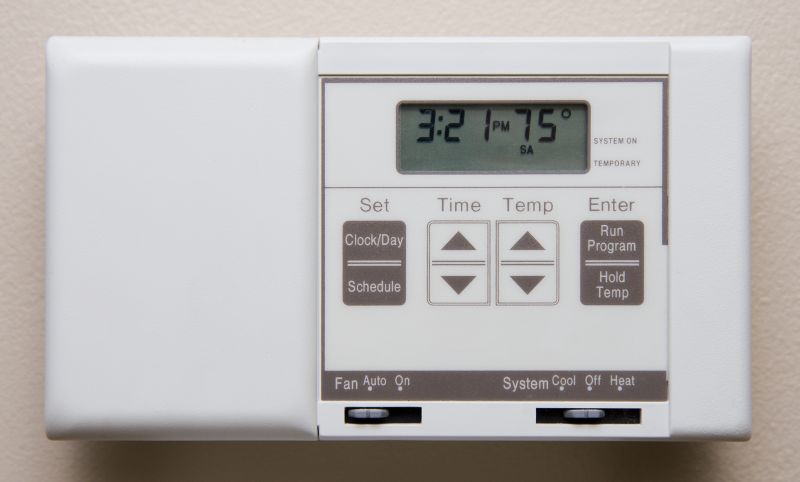
Thermostat replacement services involve removing an outdated or malfunctioning thermostat and installing a new, more reliable model. This process typically includes disconnecting the existing device, ensuring proper wiring, and configuring the new thermostat to work seamlessly with the heating and cooling system. Professionals will also verify that the new thermostat functions correctly, providing accurate temperature control and compatibility with smart home systems if desired. This service helps ensure that a home's climate control system operates efficiently and responds accurately to user settings.
Replacing a thermostat can resolve a variety of common problems, such as inconsistent heating or cooling, frequent system cycling, or a complete lack of response from the control panel. Sometimes, thermostats become unresponsive or display error messages, which can lead to increased energy bills and discomfort. Upgrading to a modern thermostat can also improve energy efficiency by enabling programmable or smart features that allow better scheduling and remote management. Service providers can assess whether a replacement is necessary and recommend models that suit the specific needs of the property.
Thermostat replacement services are often needed in residential properties, including single-family homes, townhouses, and multi-unit buildings. These properties typically rely on thermostats to regulate indoor temperatures and maintain comfort throughout the seasons. Commercial properties, such as small offices or retail spaces, may also require thermostat upgrades to ensure reliable climate control. The service is suitable for any property where the existing thermostat is outdated, malfunctioning, or incompatible with newer HVAC systems, helping homeowners and property managers maintain optimal indoor conditions.
Homeowners might consider thermostat replacement when experiencing issues like uneven temperature distribution, difficulty adjusting the thermostat, or if the device is physically damaged. Additionally, upgrading to a newer model with smart features can offer greater convenience and control over the indoor environment. Service providers can help identify whether a thermostat replacement is the best solution and assist with selecting a compatible, efficient model. Contacting local contractors for this service ensures professional installation and proper system integration, supporting long-term comfort and energy savings.
The overview below groups typical Thermostat Replacement projects into broad ranges so you can see how smaller, mid-sized, and larger jobs often compare in your area.
In many markets, a large share of routine jobs stays in the lower and middle ranges, while only a smaller percentage of projects moves into the highest bands when the work is more complex or site conditions are harder than average.
Smaller Repairs - Basic thermostat replacements typically cost between $150 and $300. Many routine jobs fall within this range, especially when replacing standard models in existing setups.
Full Replacement - Replacing an outdated or complex thermostat can range from $300 to $600. Larger projects involving additional wiring or upgrades tend to push costs into this middle band.
High-End or Smart Thermostats - Installing advanced or smart thermostats usually costs between $400 and $800. Fewer projects reach the higher end, which may involve additional features or integration work.
Complex or Large-Scale Installations - Extensive replacements or systems requiring significant modifications can exceed $1,000, with some complex projects reaching $2,000 or more depending on scope and customization.
Actual totals will depend on details like access to the work area, the scope of the project, and the materials selected, so use these as general starting points rather than exact figures.
Thermostat Wiring Installation - local contractors often handle wiring setup and connections for thermostats, requiring similar electrical skills.
HVAC System Maintenance - maintaining heating and cooling systems involves planning and technical knowledge comparable to thermostat replacement.
Smart Home Device Installation - installing smart thermostats and related devices uses similar planning and technical expertise as traditional thermostat upgrades.
Electrical Panel Upgrades - upgrading electrical panels involves electrical skills and planning that are relevant to thermostat wiring and connections.
Radiator or Baseboard Heater Installation - installing alternative heating systems shares planning and technical skills with thermostat replacement projects.
Ductwork Repair and Installation - working on duct systems requires technical planning and tools similar to those used in thermostat installation and replacement.
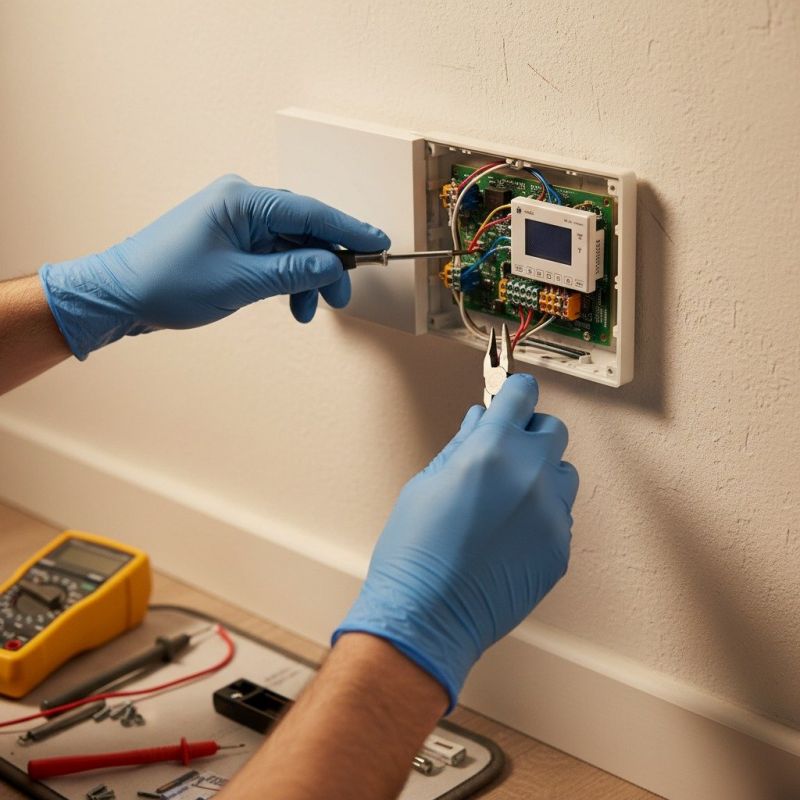
When evaluating potential service providers for thermostat replacement, it is important to consider their experience with similar projects. Homeowners should look for local contractors who have a proven track record in installing or replacing thermostats comparable to the existing setup in their home. Asking for details about past work can help determine if the contractor has the necessary expertise to handle specific types of thermostats or unique installation requirements, which can contribute to a smoother project process.
Clear written expectations are essential to ensure that both parties understand the scope of work, materials involved, and any other relevant details. Homeowners should seek out local pros who provide detailed estimates or project descriptions that outline what will be done, avoiding ambiguity or misunderstandings. Having a well-defined plan helps set realistic expectations and provides a reference point throughout the project, fostering transparency and accountability.
Reputable references and good communication are also key factors when selecting a local contractor. Homeowners can ask for contacts of previous clients or look for online reviews to gauge the quality of the service provider’s work and professionalism. Additionally, an accessible and responsive communication style indicates that the contractor values customer input and can address questions or concerns promptly. It is important to remember that the site introduces homeowners to local options for thermostat replacement services but does not perform the work itself; choosing a qualified, communicative, and experienced local contractor can help ensure the project is completed successfully.
Property owners use Thermostat Replacement services for practical projects around their homes and businesses. This guide focuses on everyday jobs and straightforward project options.
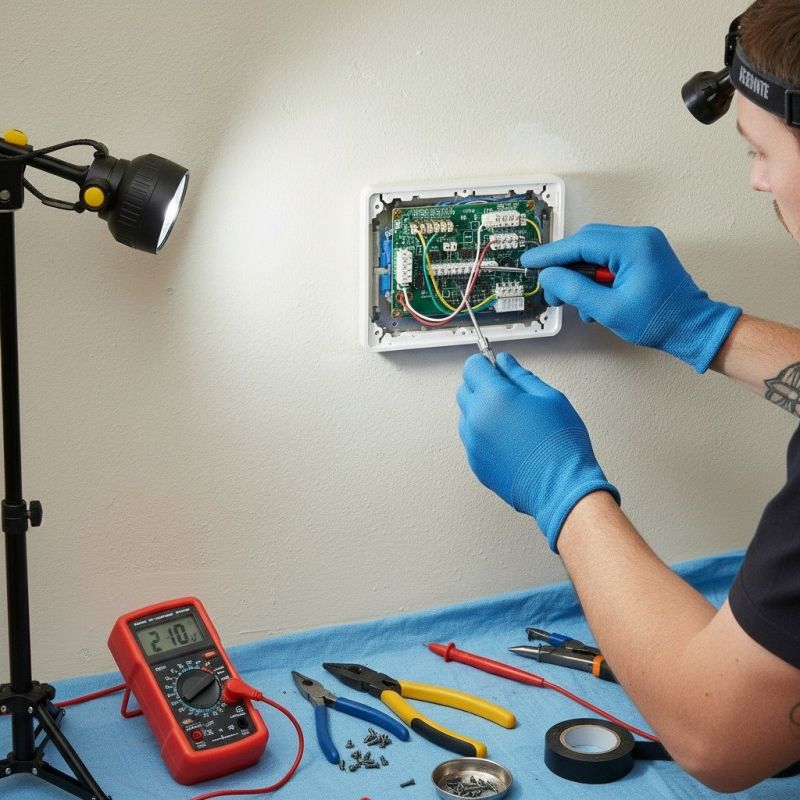
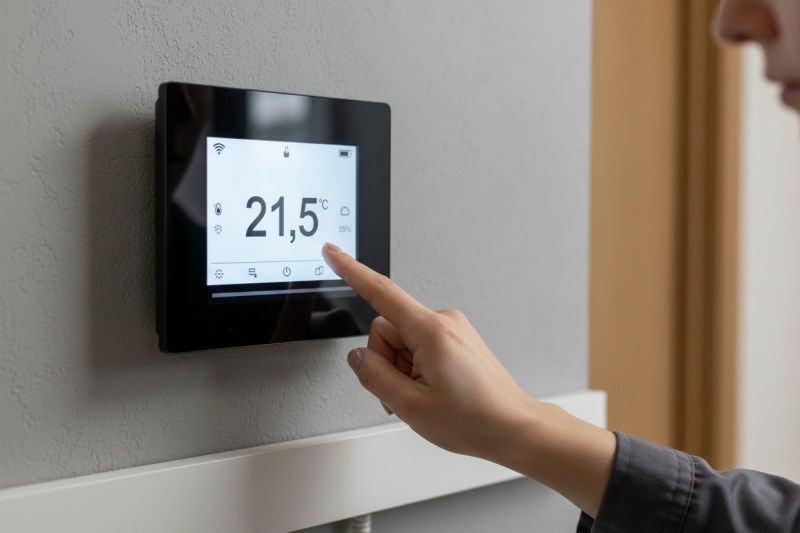
Property owners in the area might seek thermostat replacement services when their current units become outdated, unreliable, or inefficient. Common situations include thermostats that no longer respond properly, cause inconsistent temperatures, or fail to communicate with heating and cooling systems. Upgrading to a new thermostat can help improve comfort levels and ensure better control over indoor environments, making it a practical step for those experiencing issues with their existing setup.
Additionally, residents may look for thermostat replacement when installing new smart or programmable devices to enhance convenience and energy management. Older thermostats may lack the features needed for modern automation, prompting property owners to explore options through local contractors who specialize in installation and replacement. These service providers can assist with selecting suitable models and ensuring proper setup for optimal performance.
Why should I consider replacing my thermostat? Replacing an outdated or malfunctioning thermostat can improve your home's comfort and ensure your heating and cooling systems operate efficiently.
What types of thermostats are available for replacement? There are various options including digital, programmable, and smart thermostats, allowing homeowners to choose based on their preferences and system compatibility.
How do I know if my current thermostat needs replacing? Signs include inconsistent temperature control, frequent system cycling, or the thermostat not responding to adjustments.
Can local contractors help with installing a new thermostat? Yes, local service providers can handle the installation process and ensure the new thermostat is properly set up and functioning.
What should I consider when choosing a new thermostat? Consider compatibility with existing heating and cooling systems, desired features like scheduling or remote access, and ease of use.
Upgrade Your Thermostat - Replacing an outdated thermostat can improve home comfort and energy efficiency, especially when upgrading to a smart model.
Schedule Seasonal Maintenance - Installing a new thermostat during seasonal changes ensures your heating and cooling systems operate effectively year-round.
Improve Energy Management - A new thermostat allows property owners to better control indoor temperatures and reduce energy waste.
Enhance Home Automation - Integrating a modern thermostat can support smart home systems and remote temperature management through compatible devices.
If you are thinking about Thermostat Replacement for a property, this guide is meant to help you understand the work, the typical project types, and how different options might fit your plans.
When you are ready, you can use the quote form on this page to share a few details about your project. From there, local pros can review the basics and respond with options that match what you have in mind.